

Experiencing a severe burn can be a deeply painful and life-changing event. Burns can damage multiple layers of the skin, making recovery slow and complicated. Traditional healing may not always be enough for the skin to fully repair itself. In such situations, doctors may recommend an artificial skin graft to support healing and improve recovery. This treatment provides a helpful way to restore damaged skin, reduce pain, and improve appearance over time. Understanding how this medical option works can help patients feel more confident and informed during their healing journey.
What is an Artificial Skin Graft?
An artificial skin graft is a man-made medical material designed to replace or support damaged skin. It is used when natural skin layers are too injured to heal on their own. The graft is placed over the wound to act like a protective layer, giving the body time to rebuild new cells underneath. Although it is not exactly the same as natural skin, it mimics many of its functions, such as moisture control, protection, and flexibility. This helps create a healthier environment for healing to take place.
How an Artificial Skin Graft Helps Severe Burn Patients
Severe burns can destroy the skin’s ability to protect the body, leading to risks like infection, scarring, and dehydration. Using an artificial skin graft can help reduce these risks. The graft covers the wound and works like a temporary skin barrier. It keeps the wound moist and protected, which encourages new skin cells to grow. It also reduces the amount of pain patients may experience because the wound is no longer exposed. Over time, the body begins to replace the artificial layer with its own natural skin cells.
The Process of Applying an Artificial Skin Graft
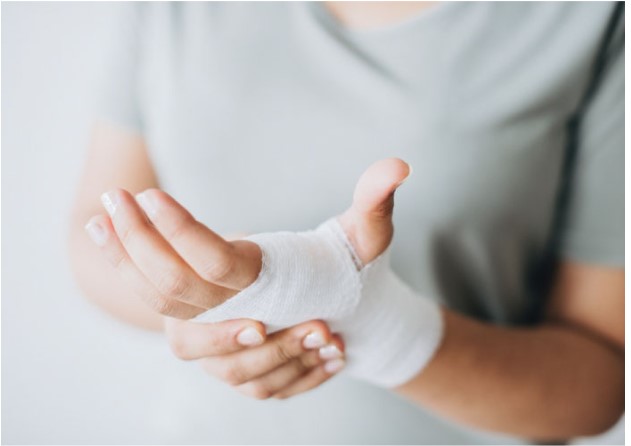
Before applying the graft, doctors carefully clean and prepare the burned area. This may include removing damaged tissue to ensure the wound is healthy enough for grafting. Once the area is ready, the artificial skin graft is placed directly on top of the burn. The graft is then secured, and bandages are used to keep it in place. Over the following days and weeks, the graft helps guide the body’s healing process. Patients may need regular check-ups to monitor recovery and ensure that the graft is working correctly. In many cases, the graft becomes naturally absorbed or replaced as the skin heals.
Benefits of Using an Artificial Skin Graft
One of the major benefits of an artificial skin graft is that it helps speed up the healing process. This can make recovery more comfortable and reduce the time patients spend in the hospital. Another benefit is that the graft can improve the final appearance of the healed skin. Without a graft, severe burns may leave deep scars or uneven skin texture. With grafting, the skin may heal more smoothly and with less scarring. Additionally, the protective layer lowers the chance of infection, which is a common risk with burn injuries.
What to Expect During Recovery
Recovery with an artificial skin graft requires patience and proper care. Patients may need to avoid certain activities that could strain or damage the healing skin. Follow-up appointments are important to make sure the graft is healing well. Over time, patients may notice improvements in comfort, movement, and appearance. Some individuals may also receive physical therapy to help restore flexibility if the burn affected movement.
Conclusion
Healing from severe burns can be challenging, but an artificial skin graft can make the process safer, smoother, and more comfortable. By providing a protective layer that supports natural skin growth, it helps reduce pain, scarring, and complications. While recovery takes time and careful care, this medical treatment offers hope for improved healing and better long-term results. Understanding how an artificial skin graft works allows patients and families to make informed decisions and feel supported throughout the recovery journey.