

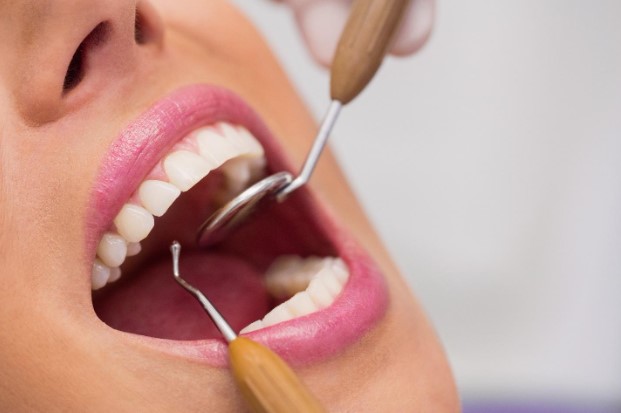
Brushing and flossing are not the only ways of having a healthy mouth. Dental procedures should be regularly performed to prevent issues and maintain, restore the functionality, and enhance the overall health of the mouth.
Most individuals do not know that there are numerous types of treatments that can be offered to meet preventive and remedial requirements. Since some of the changes are insignificant, and some are more complex, all of them serve the purpose of maintaining the teeth, gums, and jaws in the best state possible.
By knowing about these steps and timings of visiting the dentist, you will have a healthy smile and prevent expensive complications.
Crown Lengthening
Crown lengthening is a dental operation that reveals additional tooth by altering gum tissue and at times bone. This treatment is commonly prescribed when a tooth is broken, decayed, or requires any restoration, such as a crown or filling.
Crown lengthening enhances the dental restorations by making them more effective and fitting better to a tooth by increasing the visible part of the tooth. It also improves aesthetics, especially in a patient with a gummy smile.
Routine Cleanings
Professional cleaning eliminates the accumulation of plaque and tartar, which cannot be completely removed with regular brushing and flossing.
These treatments help to decrease cavity and gum disease as well as make your teeth appear and feel healthy. A dentist prescribes cleaning after every six months, but some of the patients might need to visit more often, depending on the health of their mouth.
Fillings and Restorations
In case of any cavities or decay of teeth, fillings are used to restore the structure of the tooth and avoid any additional harm.
Materials, such as composite resins, are combined with natural teeth, which offer functionality and are also aesthetically pleasing. Restorations also guard teeth against fractures and aid in keeping them in good position.
Gum Treatments
Good teeth need a good foundation, and healthy gums are the key to this. The measures of gum disease include deep cleaning exercises like scaling and root planning, and more complicated treatment of severe cases.
Early gum treatment helps to prevent loss of teeth, minimize the risk of infection, and maintain overall oral hygiene. Dentists teach patients the correct way of home care and treatment programs to keep the gums healthy.
Preventive Measures and Sealants
Protective coatings for teeth, especially molars, are called sealants used to prevent cavities.
They can be used especially on children or anybody who is likely to decay in inaccessible places. Sealants prevent bacteria and food particles, which means that more invasive treatments will be needed in the future.
Along with standard dental treatment, preventive treatments such as sealants reduce the possibility of dental issues in the long term to a significant level.
Tooth Extractions
In other cases, rotten, broken, or affected teeth have to be extracted. Extractions of teeth ease the pain, avoid infections, and create room in the mouth to proceed with other dental procedures like implants or braces.
A dentist makes an assessment of the necessity of extraction and makes sure that the process is carried out safely with appropriate post-operative guidelines.