

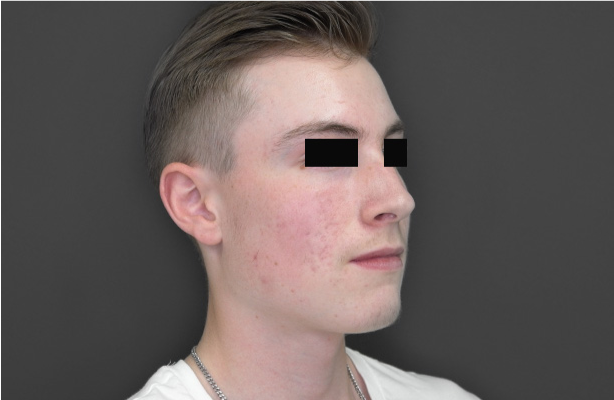
Acne is one of the most common skin conditions, affecting people of all ages, but particularly teenagers and young adults. It occurs when hair follicles become clogged with oil and dead skin cells, leading to whiteheads, blackheads, pimples, or even deeper cystic lesions. While acne treatment is not life-threatening, it can cause emotional distress and long-term skin scarring if not treated properly.
Causes of Acne
Understanding what causes acne is essential to effectively treat and prevent it. The main contributing factors include:
- Excess Sebum Production: Sebaceous (oil) glands in the skin produce an oily substance called sebum. When the body produces too much sebum, it can clog pores and lead to breakouts.
- Clogged Hair Follicles: Dead skin cells that are not shed properly can mix with sebum and block hair follicles, forming whiteheads or blackheads.
- Bacteria: The bacterium Propionibacterium acnes (P. acnes) lives on the skin. When pores are clogged, it can multiply and cause inflammation.
- Hormonal Changes: Hormones, especially androgens, increase during puberty and stimulate oil glands. Hormonal changes related to menstrual cycles, pregnancy, or conditions like polycystic ovary syndrome (PCOS) can also worsen acne.
- Diet and Lifestyle: While not the primary cause, certain foods like high-glycemic-index carbohydrates and dairy products may contribute to acne in some people. Stress, lack of sleep, and poor hygiene can also exacerbate the condition.
Types of Acne
There are several types of acne, categorized by severity and appearance:
- Comedonal Acne: Includes blackheads and whiteheads; typically non-inflammatory.
- Inflammatory Acne: Includes papules and pustules; more severe, often red and swollen.
- Nodulocystic Acne: Severe form involving nodules or cysts under the skin; often painful and more likely to scar.
Over-the-Counter Treatments
Mild to moderate acne often responds well to over-the-counter (OTC) treatments, which include:
- Benzoyl Peroxide: Kills bacteria and dries out excess oil. Available in cleansers, gels, and spot treatments.
- Salicylic Acid: Helps unclog pores and reduce inflammation. Ideal for blackheads and whiteheads.
- Alpha Hydroxy Acids (AHAs): Such as glycolic acid or lactic acid, exfoliate the skin and reduce clogged pores.
- Sulfur: Reduces oiliness and breaks down blackheads and whiteheads.
Consistency is key with OTC products. Results typically appear after 4 to 6 weeks of regular use.
Prescription Treatments
For moderate to severe acne, or if OTC treatments are ineffective, a dermatologist may recommend prescription options:
- Topical Retinoids: Vitamin A derivatives (e.g., tretinoin, adapalene) that unclog pores and reduce inflammation.
- Topical Antibiotics: Reduce bacterial growth and inflammation, often combined with benzoyl peroxide to prevent resistance.
- Oral Antibiotics: For more widespread acne, these help reduce bacteria and inflammation. Common options include doxycycline and minocycline.
- Hormonal Therapy: Birth control pills or anti-androgens like spironolactone can regulate hormones and reduce breakouts, especially in women.
- Isotretinoin (Accutane): A powerful oral retinoid used for severe, cystic acne that hasn’t responded to other treatments. It requires close medical supervision due to potential side effects.
Natural and Home Remedies
Some people prefer natural approaches, though results vary and scientific support may be limited. Common remedies include:
- Tea Tree Oil: Has antimicrobial properties and can be used as a spot treatment.
- Aloe Vera: Soothes inflammation and promotes healing.
- Zinc Supplements: May help reduce inflammation and support skin health.
- Green Tea Extract: Rich in antioxidants and anti-inflammatory compounds.
While generally safe, it’s best to consult with a healthcare provider before starting natural treatments, especially if you are already using other acne medications.
Lifestyle Tips for Managing Acne
- Cleanse Gently: Use a mild cleanser twice daily to remove excess oil and dirt.
- Avoid Over-Washing: Over-cleansing can strip the skin and increase oil production.
- Don’t Pick or Pop Pimples: This can lead to scarring and further infection.
- Choose Non-Comedogenic Products: These are less likely to clog pores.
- Maintain a Balanced Diet: Reduce intake of sugary and greasy foods; focus on whole grains, vegetables, and lean proteins.
- Manage Stress: Practice stress-reducing techniques such as meditation, exercise, or journaling.
When to See a Dermatologist
If acne treatment is persistent, painful, or causing emotional distress, a dermatologist can help design a treatment plan tailored to your skin type and needs. Early treatment not only improves skin appearance but also prevents scarring.
Conclusion
Acne is a complex skin condition with multiple causes and treatment options. From OTC products and prescription medications to lifestyle changes and professional dermatological care, there are many paths to clearer skin. By understanding your skin’s needs and staying consistent with treatment, you can effectively manage acne and improve your skin’s health and confidence.